
A run of 40 custom brackets and several thousand feet of identical channel are both metal bending and forming jobs. They call for very different setups.
Each bracket may need several bends in different locations. It’s quite common to need to make size adjustments after a test fit without losing days to a new setup. The channel, on the other hand, has a different job. Its profile is constant from end to end, and production may continue for thousands of feet.
Part design plays a big role, of course.
So do quantity, material, tolerances, and tooling costs.
Wondering how to choose between press brake forming and roll forming? Here’s how production volume, tooling, and part requirements affect the choice.

How Does Each Forming Process Work?
The way the metal moves through the equipment explains a lot about which jobs each process can handle. Here’s what happens on the shop floor.
Press Brake Bending
Press brakes use a punch and die to put bends in sheet or plate metal. The operator aligns the material and lowers the punch to make the first bend. Then they turn or reposition the workpiece to reach the place to hit the next spot. Several passes are often needed to complete one part.
This is why a sheet metal press brake can be used for a wide range of applications, including forming brackets, boxes, trays, and other custom metal enclosures. It’s a key advantage, especially when a shop needs to swap setups quickly and tackle different jobs throughout the day.
Roll Forming
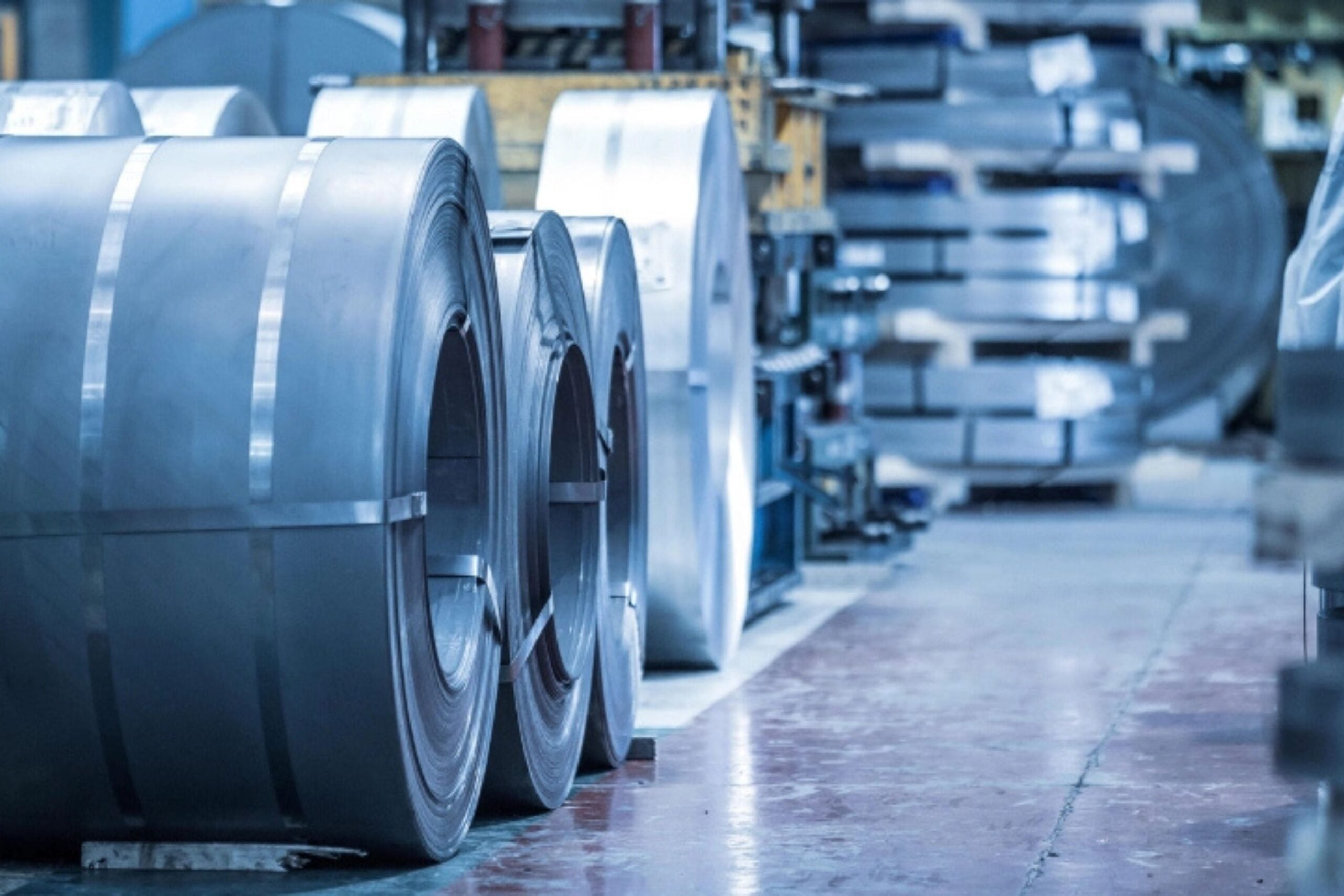
Roll forming works with a continuous strip of metal, feeding it through a long line of paired rollers. Each station does a small portion of the work.
The first set might barely nudge the edges, but a few stands down, those gradual bends turn the flat strip into a channel or rail. Because the metal moves through without stopping, every foot of the finished piece carries a consistent profile from end to end.
When Should You Use Press Brake Forming?
Design changes happen all the time. Prototypes need tweaking, and brackets may require longer flanges after field testing. Material substitutions can force adjustments on the fly, too.
A press brake machine gives you room to maneuver. An operator can adjust the program or swap tooling without abandoning a line of dedicated rollers. Some changes require a modified flat blank.
- Complex Geometry: Works well for parts with multiple distinct bends, like a machine guard with side flanges and short edge returns. The operator sequences each bend in order so previous folds don’t block the next pass.
- Material Variations: Stainless steel springs back more than mild steel, and aluminum can crack under the wrong radius. Minor thickness variations also shift final angles. An experienced press brake operator spots these differences early and adjusts the machine before an entire run is ruined.
Modern controls make programming easy enough, but there’s no replacement for hands-on shop experience to catch problems before they cost you time and material. Knowing how different metals react during sheet metal bending is the bread and butter of press brake operator jobs. That experience helps keep the run moving without sending parts back for rework.
When Should You Use Roll Forming?
A 12-foot channel with a continuous profile, with an annual order of 10,000 pieces, is a strong candidate for roll forming.
Setting up the tooling takes precision. Every roller must bend the material gradually to avoid twisting or buckling the strip. Fine-tuning the line takes time on the front end, but once it settles in, material feeds straight off a coil and passes through the rollers.
The line cuts each piece to length automatically. Many lines can even punch holes or add features in a single pass, cutting down on manual handling in commercial metal forming.
The order needs to be large enough to justify the custom tooling. Repeat orders help, too.
What Should You Consider Before Choosing a Forming Process?
You may already have a process in mind for your part. Before you settle on it, check a few details that can affect the quote or cause trouble during production, starting with the part’s length and how the shop will handle it.

Part Length and Handling
Part length quickly narrows your options:
- Press Brakes: Bound by bed length and tonnage ratings. Long bends in thick plate require substantial machine force and extra operator support to keep the material level and prevent flexing.
- Roll Forming Lines: Handle length with ease. Because material runs continuously through the rollers and cuts to size at the end, long parts stay manageable, provided the profile remains uniform.
Length isn’t the only factor. A long part with simple bends on each end still makes sense on a press brake. A short part ordered in massive quantities may suit roll forming.
Upfront Tooling Costs
Press brakes use standard punches and dies across many different jobs. Your part may fit tooling the shop already owns, which helps keep the initial cost down. Deep boxes or tight returns can require custom tooling, so the drawing still needs a close look before anyone quotes the job.
Roll forming usually requires rollers built for the specific profile. That expense goes into the job before the first production run. A short order leaves fewer pieces to spread the cost across, while a large or recurring order makes the investment easier to justify.
Design changes can add to that bill.
A profile change after tooling is complete may require modifications to several rollers. If you’re still testing the part or adjusting dimensions, talk those changes through with the fabricator before committing to tooling.
Tolerance Control
Both sheet metal forming methods can deliver tight tolerances. During press brake bending, material springback can throw off a bend angle by a degree or two, and variation in sheet thickness impacts flange lengths. Operators catch this by measuring the first piece and adjusting before running the batch.
Roll forming alignment issues stack up across stations. A small alignment error early in the line can cause long profiles to bow or twist.
Focus tight tolerances strictly on dimensions that drive fit and function. Over-specifying every single measurement inflates costs without improving the finished part.
Planning for Downstream Operations
A part can come off the press brake looking right and still give the welder trouble. Before bending the first sheet, check how the profile affects welding, machining, hardware installation, and assembly:
- A high flange can block a welder’s torch.
- A hole placed too close to a bend line can distort.
- Folding flanges in the wrong sequence can prevent the piece from fitting into the machine for later bends.
Catching these issues on the drawing keeps the shop from paying to fix them later. Scrap and rework both add to the cost of poor quality, especially after the shop has already put time into a part.

Get Your Metal Bending and Forming Project Started
Press brakes give you the flexibility to handle custom components, prototypes, complex bends, and short-to-medium runs without blowing your budget on dedicated tooling. Roll forming makes sense when you need long, matching profiles by the thousands. Once the line is set up, it can keep turning out parts with little handling between operations.
Bring your drawings to Fluid Power Support, and let’s talk through your metal bending and forming requirements. We’ll look at the work that follows, too, including any cutting, machining, welding, or finishing.
Frequently Asked Questions
1. What materials can be used for press brake and roll forming?
Both processes can work with common metals such as carbon steel, stainless steel, and aluminum. The best process depends on factors such as material thickness, strength, bend radius, and how the material responds to forming.
2. Which process is better for prototypes or changing designs?
Press brake forming is typically more adaptable when a design is still changing. Programs, bend sequences, and tooling can often be adjusted without investing in an entirely new set of dedicated tooling, making it useful for prototypes and early production runs.
3. Can press brake forming and roll forming handle the same materials?
Both processes can form materials such as carbon steel, stainless steel, and aluminum. The right process depends on the material’s thickness and strength as well as the required bend radius, part geometry, and production quantity.