In the world of industrial production, it’s quite common to hear terms like metal fabrication and metal manufacturing.
However, although strongly related and in many cases sequential processes, they describe different stages and methods in creating metal parts and products.
It’s essential to understand the nuances between them, whether you’re involved in sourcing, engineering, or managing production, as these impact factors such as decision-making, cost, and project timelines.
Here’s a breakdown of these differences and how they fit into the larger picture of the production chain.
What Exactly Is Metal Fabrication?
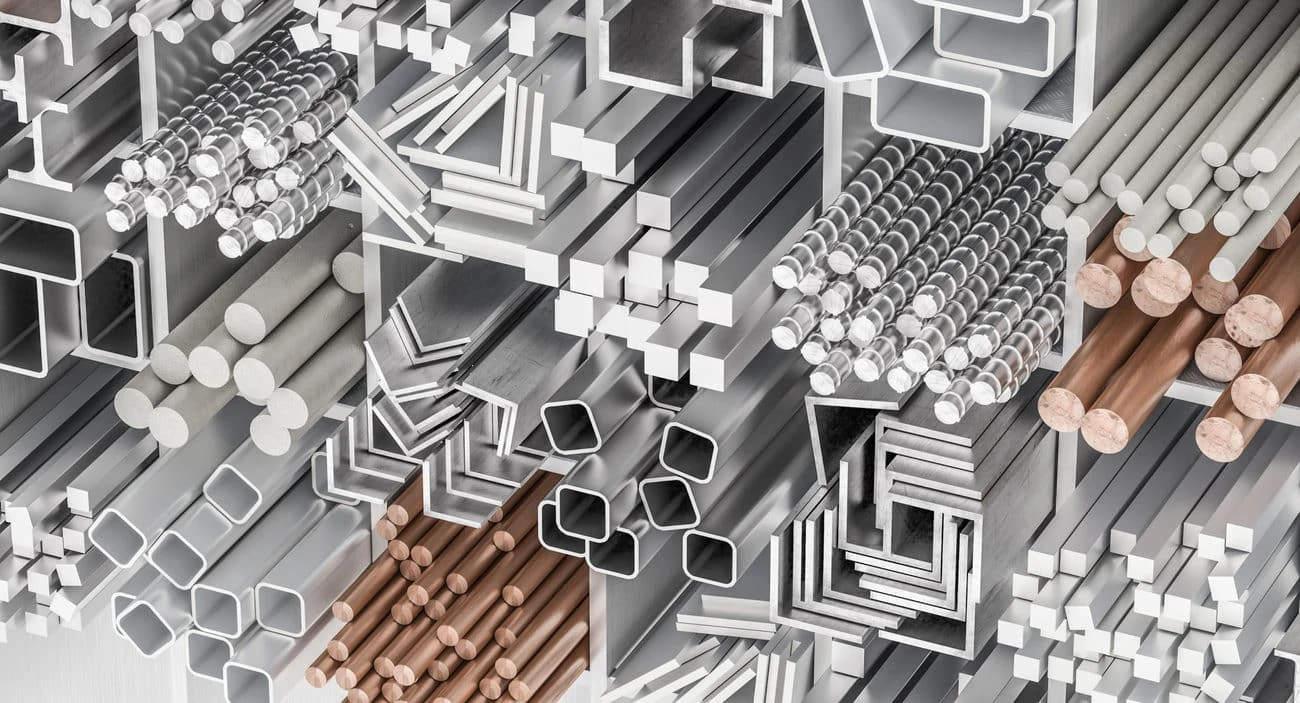
Metal fabrication refers to the process of building metal structures and products through cutting, bending, or assembling raw metal like sheet metal, metal bars, tubes, or metal beams.
The main goal of metal fabrication is to create a specific shape or structure from these raw forms that can be used alone or as components of an assembly.
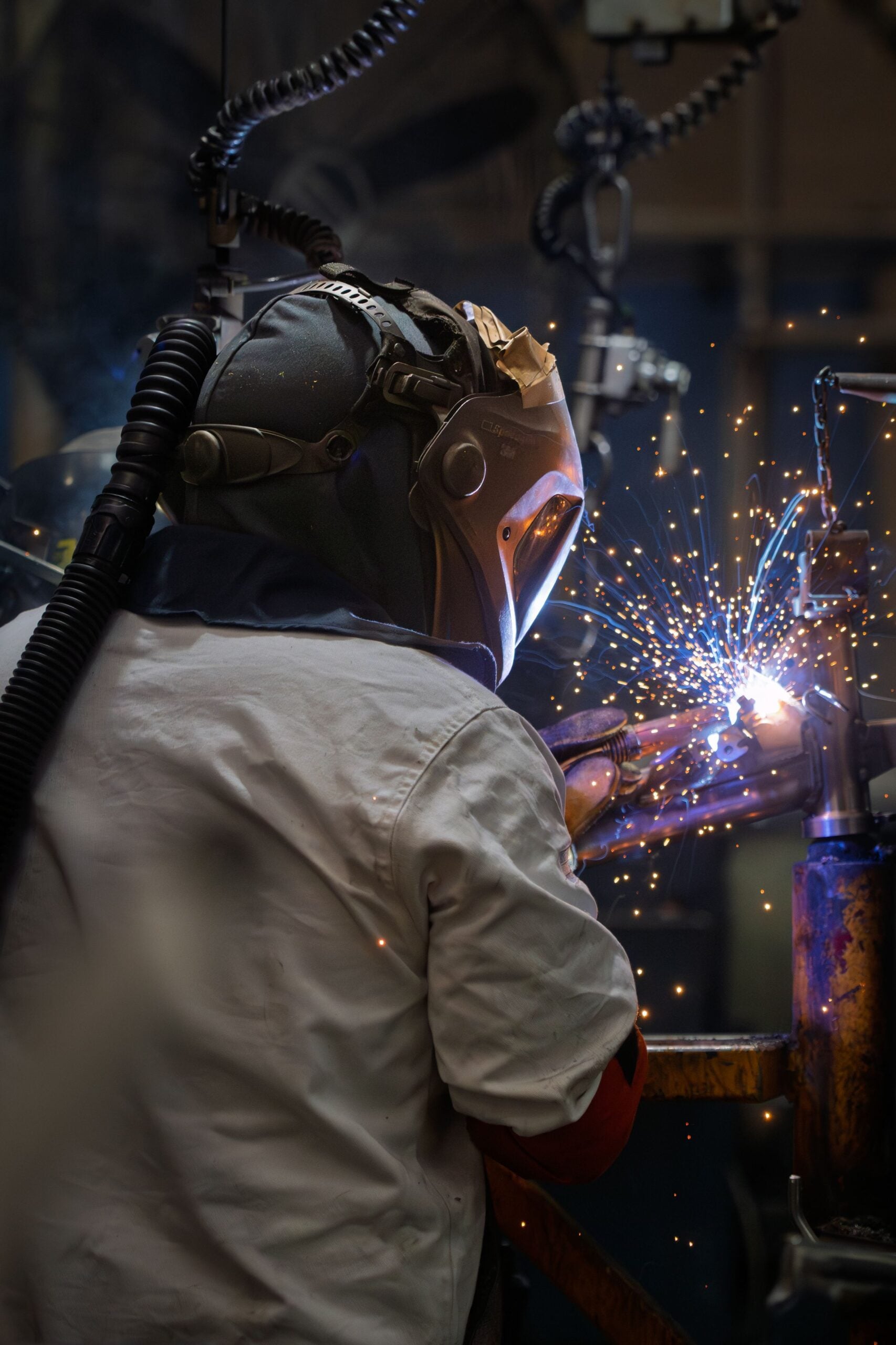
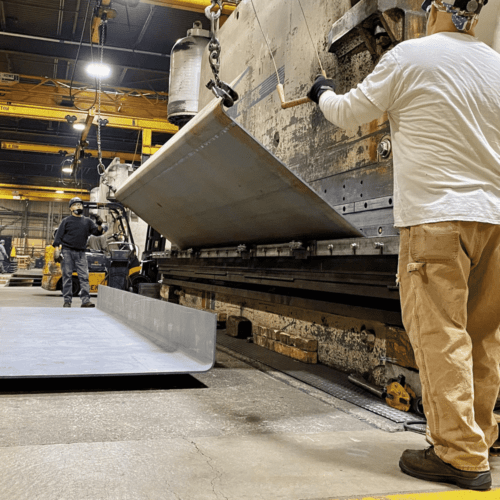
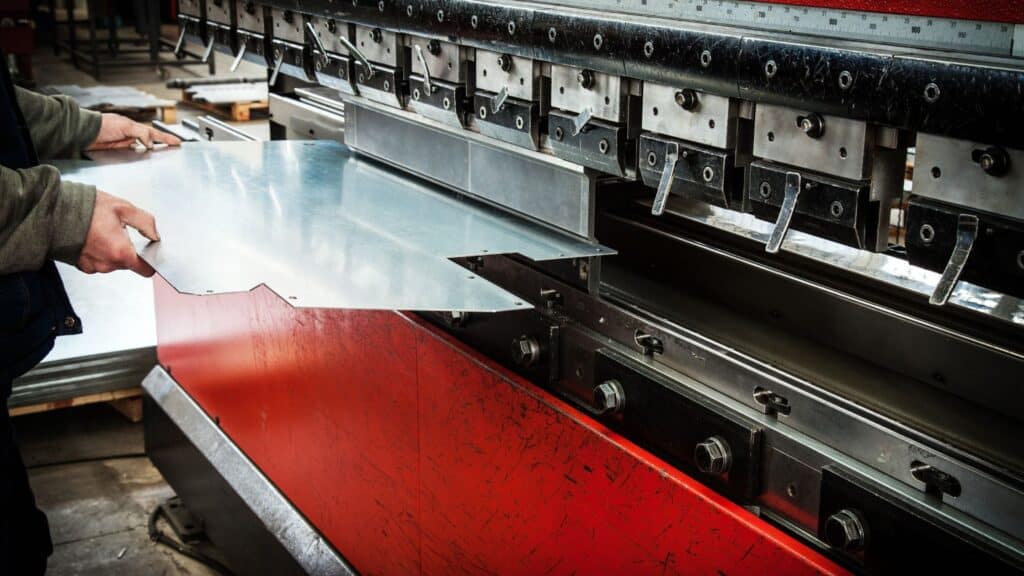
Some of the most common processes of metal fabrication include cutting (shearing, sawing, laser cutting, plasma cutting, waterjet cutting), bending and forming (press braking, rolling), machining (drilling, milling, turning), and joining (welding, riveting, fastening).
In fabrication shops, production can include anything from structural steel frames for buildings to custom brackets, enclosures, or artwork.
What Is Metal Manufacturing?
Manufacturing can range widely in terms of the scope of work. Metal manufacturing often uses more complex parts and structures, as there are multiple processes and steps. Also, parts and products tend to be mass-produced, so automation is common.
Even though fabrication is a part of metal manufacturing, the latter may encompass the entire process, from raw materials to finished goods (macro process).
Metal production also involves extensive engineering and specialized tooling with a focus on efficiency, repeatability, and cost-effectiveness.
Common manufacturing methods include casting (pouring), forging (compression), and extruding (pushing). Advanced manufacturing processes that go beyond basic fabrication are also important.
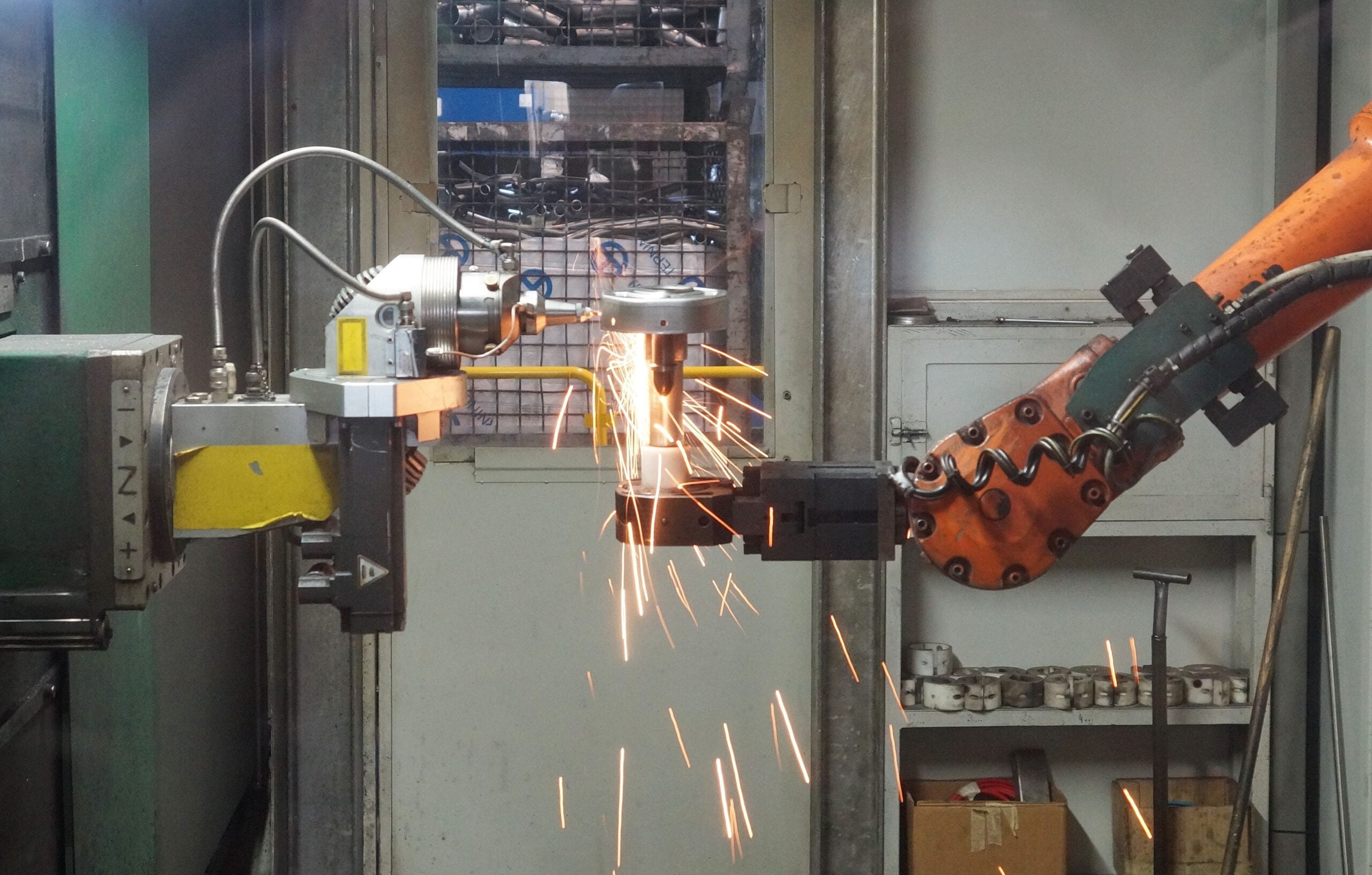
Sheet metal manufacturing is a category on its own in the metal production industry. It’s where manufacturers produce large numbers of complex parts through progressive dies, stamping presses, and automated assembly lines.
The ultimate aim for metal manufacturers is finding the highest possible efficiency in the mass-production of standardized or custom components.
What’s The Difference Between Metal Fabrication and Manufacturing?
Metal fabrication and metal manufacturing differ in scope, scale, and focus.
Scope
Fabrication refers to the construction/assembly of metal parts into a structure. On the other hand, manufacturing addresses the entire production system, from raw material to finished product.
These stages include design/engineering, tooling, manufacturing, and quality control for mass production.
Scale
Fabricators produce a small number of products at a time, on demand, so they often have flexibility. Therefore, they may consist of either six items in one set or several thousand of the same item produced
Manufacturers typically produce large quantities of identical products and focus on standardization. Therefore, materials are used at much greater efficiency than with fabrication.
This is key because many facilities aim to keep scrap rates under 5%, while top-performing plants aim to push for 2% or under.
When manufacturers achieve even small yield improvements per unit per run, they gain substantial cost savings over time.
Due to the highly variable nature of custom and fabricated components, fabricators can often face tighter restraints on material utilization. In contrast, manufacturers benefit from establishing repeatable layouts and utilizing standardized production processes.
Specialization
Custom fabrication shops may have a variety of tooling to accommodate a range of custom jobs. Manufacturing plants often specialize in particular processes like die casting, precision machining, or stamping to optimize for efficiency and cost for specific types of parts.
Tooling
Fabrication tends to employ a wide range of tools to handle diverse custom jobs. Manufacturing often invests in specialized, often costly tooling, such as molds, dies, or customized jigs for rapid, repeatable production of a specific part.
How Do Metal Fabrication and Manufacturing Fit into the Production Lifecycle?
Metal fabrication and metal manufacturing are both equally important processes, at times carried out one after another, within the overall production lifecycle of a product.
The process of fabrication often comes into play for prototyping, custom work, or for parts that don’t warrant mass production tooling. To illustrate, a new product design might first go through various fabrication stages to test before final construction. Structural components for a building or custom-built machinery are some of the best examples of work where fabrication is the primary method.
When a design is complete, and demand calls for large volumes, the role of manufacturing kicks in. If a fabricated prototype is a success, then the production of thousands or millions of those parts will go through a manufacturing process that might include stamping, casting, or advanced machining to cut costs and ensure consistent quality.
How Do You Choose the Right Production Partner?
Whether you’re the buyer, the engineer, or the project manager, knowing the distinction between fabrication and manufacturing is necessary for making informed decisions.
When you need custom parts, low volumes of specialized components, quick prototyping, or unique structural components, a metal fabrication facility is likely the best choice.
They tend to offer higher flexibility, achieve quicker turnaround for small batches, and have capabilities in diverse joining and forming techniques.
However, if your project requires a large number of identical parts, extreme precision and repeatability over large production runs, and the lowest possible unit per cost, then a metal manufacturing partner may be more appropriate for your needs.
They can perform services such as metal stamping, casting, and advanced CNC machining. They also bring economies of scale and stricter quality control systems for mass production.
Your Production Partner Awaits
Choosing the right production partner can often prove challenging, but understanding how fabrication differs from manufacturing is a crucial first step.
Be it customized prototyping or large-scale production, the key is to connect with experts who understand your specific needs.
Need a partner with extensive knowledge in fabrication and manufacturing? Contact Fluid Power Support to learn how we can make your vision become reality with unparalleled efficiency and quality.